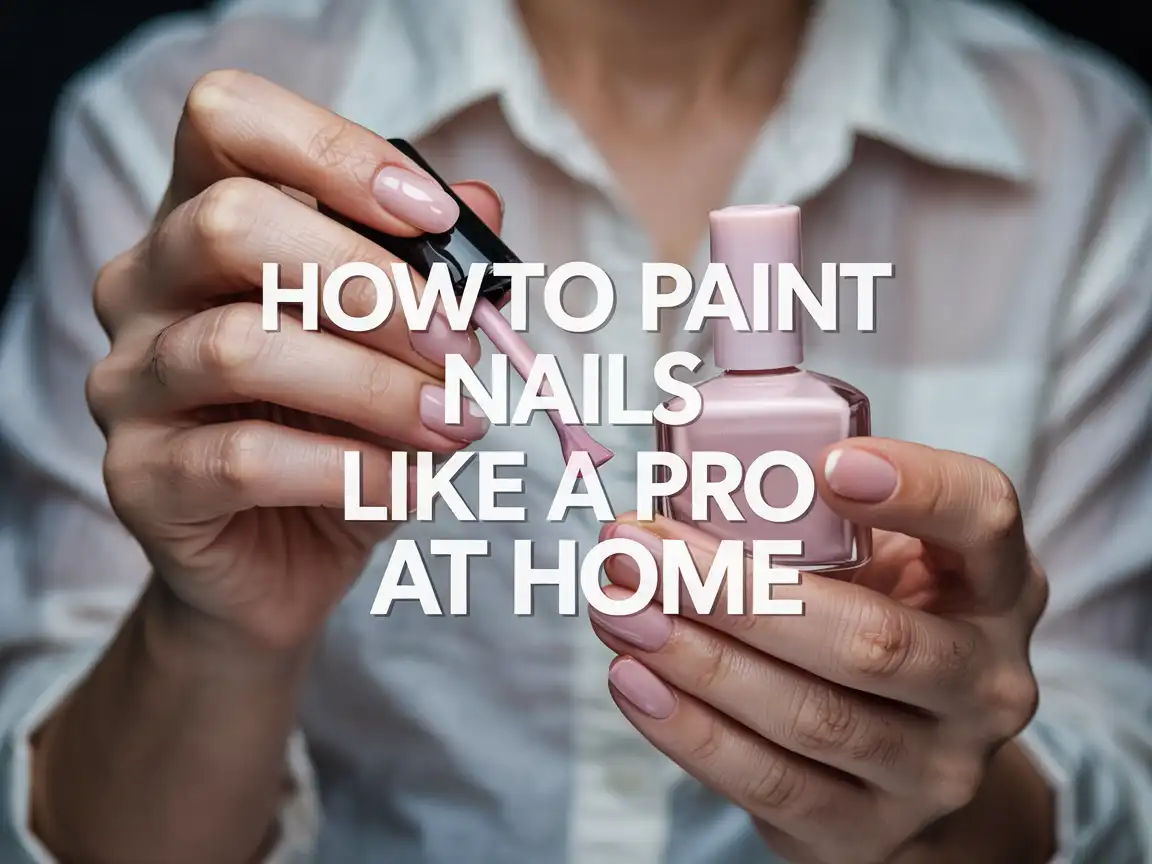
How To Paint Nails Like A Pro At home
You know that moment when your nails look almost perfect, until you spot the polish flooded into your cuticles like it tried to escape? Yeah. Painting nails at home can feel like you need three hands, a steady heartbeat, and the patience of a monk.
But here’s the secret: pro-looking nails don’t come from “talent.” They come from prep, thin coats, and a couple of tiny tricks that nail techs never stop using. Want clean edges, glossy shine, and fewer chips without paying salon prices? Let’s get you there.
What Makes Nails Look “Pro” (So You Know What to Copy)
A professional-looking manicure usually has three things: clean cuticles, even color, and smooth shine. Nail techs also keep polish off the skin and seal the edges so the manicure lasts longer.
You can absolutely do all of that at home. You just need a plan instead of randomly slapping polish on and praying. Ever wondered why salon polish looks smoother even with the same color? The prep and the thin layers do the heavy lifting.
The Biggest Myth: “More Polish = Better Coverage”
More polish gives you thicker layers, smudges, and dents. It also makes polish take forever to dry. You want two to three thin coats, not one thick coat that stays soft until next week.
The At-Home Nail Painting Kit You Actually Need
You don’t need a drawer full of supplies, but you do need the right basics. I keep these in one small bag so I don’t start a manicure and then roam the house looking for a top coat like a confused ghost.
Nail Painting Essentials
Grab these:
- Nail polish remover (acetone works fastest)
- Cotton pads or lint-free wipes
- Nail file (180/240 grit works great)
- Buffer block (gentle, not aggressive)
- Cuticle pusher
- Base coat
- Your nail polish color
- Top coat (quick-dry helps a lot)
- Small clean-up brush or angled brush
- Cuticle oil (for after you finish)
FYI: That tiny clean-up brush changes everything. It makes your manicure look “clean” even when you mess up a little.
Optional Extras That Feel Like Cheats
These make life easier:
- Liquid latex around nails for easy cleanup
- Nail dehydrator if polish chips fast on you
- Hand cream for after (not before)
IMO, quick-dry top coat earns “hero product” status. It saves your manicure from random smudges.
Prep Like a Pro (Because This Part Makes the Magic Happen)
If you want salon-looking nails, you start with prep. I know prep feels boring, but it decides whether your manicure lasts three days or seven.
Step 1: Remove Old Polish and Clean Your Nails
Wipe off old polish completely. Then wash your hands and dry them well. Any leftover remover oils or lotion can mess with adhesion.
Don’t apply hand cream right now. I know your hands want moisture, but your polish wants a clean surface. Pick one for the next 30 minutes.
Step 2: Shape Your Nails First
File your nails into your preferred shape before you paint. When you file after painting, you break the sealed edges and invite chips.
Try this:
- File in one direction for cleaner edges
- Keep all nails similar length
- Smooth corners so they don’t snag
Consistent shape makes your manicure look intentional. Ever seen a manicure where each nail has a different vibe? Yeah… let’s not.
Step 3: Push Back Cuticles (Gently)
Use a cuticle pusher and gently push back the cuticles. You don’t need to cut a lot. You just need a clean surface near the nail base.
When polish touches cuticle skin, it lifts faster. When polish sits on the nail plate only, it lasts longer. Simple, but powerful.
Step 4: Buff Lightly for Smoothness
Buff very lightly to smooth ridges. Don’t go wild. You want a smooth canvas, not a thin nail.
If you see deep ridges, use a ridge-filling base coat later. I learned this after I buffed too much and my nails felt sad and bendy.
Step 5: Clean the Nail Plate
Wipe your nails with remover or alcohol to remove oils and dust. Then avoid touching your nails with your fingers.
Ever painted nails after eating chips? Your nails remember that oil. Your polish also remembers, and it chips out of spite.
Base Coat: The Step People Skip and Regret Later
Base coat protects your nails and helps polish grip. It also prevents staining, especially with dark reds, blues, and anything bold.
Choose a Base Coat That Matches Your Needs
Here’s a simple guide:
- Regular base coat: good for most people
- Ridge-filling base coat: best for ridged nails
- Strengthening base coat: best for weak nails (in moderation)
- Sticky/tacky base coat: best for longer wear
Apply one thin layer and let it dry. Thin layers always win here.
How To Paint Nails Like A Pro At Home: The Step-by-Step Method
Now we paint. This part feels satisfying when you do it right, and it feels chaotic when you rush. Let’s keep it smooth.
Step 1: Load the Brush Correctly
Don’t drown the brush in polish. Wipe one side of the brush on the bottle neck, and keep a small bead of polish on the other side.
This gives you control and prevents flooding. Ever wondered why polish suddenly floods into your cuticles? Too much product causes most of it.
Step 2: Use the “3-Stroke” Painting Technique
This technique makes your application look clean.
Do this on each nail:
- Place brush near the cuticle, leave a tiny gap
- Push the polish slightly toward the cuticle without touching skin
- Pull straight down the center
- Paint one side with a stroke
- Paint the other side with a stroke
That’s it. Three main strokes cover most nails beautifully.
Step 3: Keep Coats Thin (Yes, Even If You Feel Impatient)
Apply the first coat thin, even if it looks slightly streaky. The second coat fixes it. Thick coats cause dents and smudges.
You want polish to dry in layers. You also want fewer bubbles and a smoother finish. Thin coats give you both.
Step 4: Let Each Coat Dry Enough
You don’t need 20 minutes between coats, but you do need a few minutes. If your polish feels tacky, wait a bit.
If you stack wet layers, you trap softness underneath. Then you wake up with sheet marks on your nails. Because life loves comedy.
Step 5: Apply the Second Coat for Full Coverage
Second coat gives the color depth and evenness. Keep it thin again. If you need a third coat for neon or sheer shades, go for it.
Some colors need more help. Pale pastels and bright neons often look better with three thin coats.
Step 6: Cap the Free Edge
After you paint each coat, swipe the brush along the tip edge. This seals the manicure and helps prevent tip wear.
Capping the free edge helps your nails last longer. Nail techs do this constantly for a reason.
Clean Edges = Pro Look (Even If You Mess Up)
You can paint like a pro and still get a little polish on the skin. That’s normal. What matters is how you clean it.
Use a Cleanup Brush for Sharp Lines
Dip a small brush in remover. Wipe off excess. Then trace around the cuticle and sidewalls.
This one step makes your manicure look crisp and salon-level. IMO, the clean-up brush works better than a cotton swab because it gives you precision.
Try Liquid Latex If You Hate Cleanup
Paint liquid latex around your nail before polish. Let it dry. Paint your nails. Peel it off after.
This feels so satisfying. It’s like peeling a sticker, but you get clean edges as a reward.
Top Coat: The “Gloss and Protection” Layer
Top coat seals everything and adds shine. It also helps your manicure last longer and resist chips.
Pick the Right Top Coat for Your Goals
Here’s my quick comparison:
- Quick-dry top coat: best for avoiding smudges and dents
- Gel-effect top coat: best for shine and thickness
- Matte top coat: best for velvet finish (use after glossy top coat if needed)
I personally love quick-dry because it saves me from myself. I always think my nails “feel dry” too early.
Apply Top Coat Like This
Do this:
- Apply one smooth layer
- Cap the free edge again
- Avoid over-brushing (it can drag color)
Top coat locks in the look. It also hides minor streaks and makes polish look smoother.
Drying Tips So You Don’t Ruin Everything at the End
You did all that work. Now don’t touch anything. Yes, I know you suddenly need to open a bottle, text someone, and fix your hair. Nails don’t care about your plans.
Drying Tips That Actually Help
Try these:
- Sit with hands flat for 10–15 minutes
- Use quick-dry drops if you love them
- Avoid hot showers right after painting
- Keep nails away from pockets and bags
FYI: Hot water can soften fresh polish and cause dents. Nails love drama like that.
Common Nail Painting Problems (And Easy Fixes)
Let’s troubleshoot the usual suspects, because they show up for everyone.
Streaky Polish
Streaks usually come from thin first coats or sheer formulas. Add a second or third thin coat.
You can also use a ridge-filling base coat if your nail surface looks uneven.
Bubbles in Polish
Bubbles happen when you shake the bottle or over-brush. Roll the bottle between your palms instead of shaking.
Also keep your room temperature steady. Thick, cold polish loves to bubble.
Chips After One Day
Chips often come from skipped base coat, no edge sealing, or oily nail plates.
Fix it by:
- Wiping nails with alcohol before base coat
- Using base coat every time
- Capping edges on color and top coat
- Wearing gloves for cleaning
Polish Floods Into Cuticles
You used too much polish on the brush. You can also paint too close too fast.
Use less product and leave a tiny gap. Then clean the edge with a brush for a crisp line.
Conclusion: You Can Paint Nails Like a Pro at Home
You can absolutely master How To Paint Nails Like A Pro At home with the right prep, thin coats, clean edges, and a solid top coat. Start with clean, shaped nails, apply base coat, paint with the three-stroke method, and seal the tips like you mean it. Then let everything dry properly so your nails don’t turn into a smudge festival.
So what color do you want to try first—classic nude, bold red, or a fun glitter that forgives everything? Pick one, use these steps, and enjoy that moment when you look down and think, “Okay wow, these actually look salon-level.”

Olivia Tran is the founder and creative force behind TheNailDesigns.